Mouth taping during sleep has no single standard method. People approach it in different ways depending on the type of tape they choose, how they apply it, and what they’re trying to achieve. Some use inexpensive surgical tape from a pharmacy. Others buy strips designed specifically for this purpose.
This page describes the most commonly reported approaches — drawn from practitioner guidance, manufacturer instructions, and user accounts. None of this constitutes medical advice.
Types of tape people use
Three broad categories of tape appear across user discussions, practitioner guides, and product listings.
Medical and surgical tape
The most commonly cited option among practitioners and online guides is 3M Micropore surgical tape. This is a paper-based, hypoallergenic tape originally designed for securing bandages. It uses an acrylic adhesive that sticks lightly and peels off without much resistance.
Buteyko breathing practitioners, including Patrick McKeown of the Buteyko Clinic, have described Micropore tape as their standard recommendation for decades. Its advantages, according to those who use it: it costs very little, it is widely available, and it removes easily without pulling at the skin. Some users fold over one end to create a pull tab for quick removal during the night.
The tape was not designed for this purpose. It was designed for wound care. But its medical-grade adhesive and widespread availability have made it the default option in many practitioner guides.
Purpose-made mouth tape strips
Several companies now manufacture adhesive strips specifically marketed for mouth taping during sleep.
SomniFix strips are among the most recognized. They are single-use adhesive strips that cover the lips and feature a small mesh breathing vent in the center. The vent is designed to allow some airflow through the mouth even while the tape is in place, which the company describes as a safety feature for people who may feel anxious about having their mouth sealed. SomniFix uses a medical-grade, hypoallergenic adhesive.
Hostage Tape takes a different approach. These strips use a kinesiology-style tape material — thicker, more elastic, and with a stronger hold than surgical tape. The brand markets itself toward athletic and fitness-oriented users. The adhesive is silicone-based, which the company says reduces skin irritation compared to acrylic adhesives.
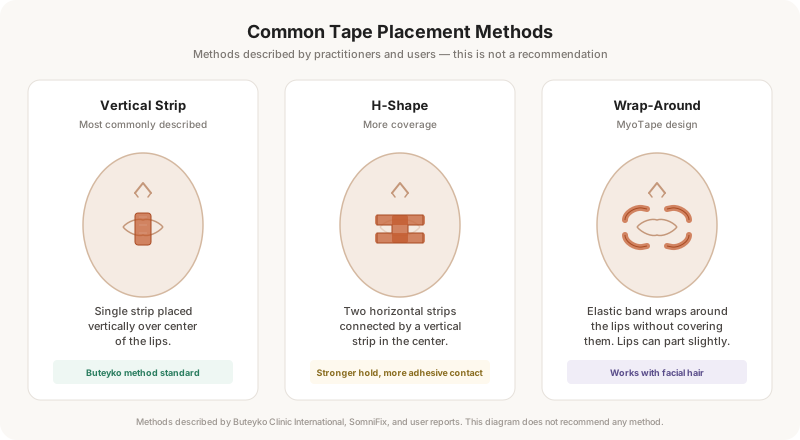
MyoTape, developed by the Buteyko Clinic, wraps around the mouth rather than covering the lips directly. According to Buteyko Clinic, this design keeps the lips free to part slightly while still encouraging nasal breathing. The product uses a latex-free, hypoallergenic adhesive.
Adhesive differences
The adhesive type matters more than many users initially realize. Three main types appear across these products:
- Acrylic adhesive (used in most surgical tapes): sticks reliably but can cause irritation on sensitive skin with repeated use.
- Silicone adhesive (used in some purpose-made strips like Hostage Tape): generally gentler on skin, peels off more cleanly, but tends to cost more.
- Medical-grade hypoallergenic adhesive (used in SomniFix and MyoTape): formulated to minimize allergic reactions.
Breathability also varies. Paper-based surgical tapes allow some air and moisture through the material itself. Kinesiology-style strips are less breathable but more durable and less likely to peel off during the night. Users with facial hair commonly report that stronger adhesives hold better, while users with sensitive skin tend to gravitate toward silicone or hypoallergenic options.
Common application methods
How people apply mouth tape varies, and no single method has been validated by clinical research as superior. The following approaches are described most frequently in practitioner guides and user forums.
Vertical strip across the center of the lips
This is the method most commonly described by Buteyko practitioners. A single strip of tape — roughly the length of the lips — is placed vertically from just above the upper lip to just below the lower lip. It covers the center of the mouth but not the corners.
This approach is widely described as a starting point for people trying mouth taping for the first time. The logic, as practitioners describe it: the small strip provides a gentle reminder to keep the lips closed while still allowing the mouth to open at the sides if needed. Patrick McKeown has described this method in his published materials on Buteyko breathing.
H-shape or X-shape
Some users apply tape in an H-shape (one horizontal strip across the lips with short vertical strips at each end) or an X-shape (two strips crossing diagonally over the mouth). These patterns appear in online forums and social media posts, typically from users who found that a single vertical strip did not stay in place.
The goal, according to those who use them, is more secure coverage without fully sealing the mouth.
Full lip coverage
A less common method involves covering the entire lip area with a single wide strip or multiple overlapping strips. This approach is more controversial. The Cleveland Clinic notes that fully sealing the mouth raises safety concerns, particularly for anyone who might need to breathe through the mouth during the night.
Purpose-made strips like SomniFix cover the full lip area but address this concern with a built-in breathing vent. Without a vent, full coverage is the method most frequently flagged as risky by medical sources.
What users commonly report
User accounts — from product reviews, online forums, and social media — describe a range of experiences. These are self-reported and not verified by controlled studies.
An adjustment period
Many users describe an adjustment period lasting anywhere from one to five nights. During this time, people commonly report pulling the tape off during sleep without remembering it, waking up with the tape stuck to their chin or pillow, or simply feeling too uncomfortable to keep it on all night.
Some people describe trying the tape during the day first — while reading or watching television — to get accustomed to the sensation before wearing it to bed.
Skin sensitivity
Skin irritation around the lips is the most commonly reported complaint. Users describe redness, dryness, or mild rash from adhesive contact, particularly with acrylic-based tapes. Switching to silicone-based adhesives or applying a thin layer of lip balm around (not on) the tape area are workarounds that some users describe.
Repeated nightly use without variation in tape placement appears to increase the likelihood of irritation, according to user accounts.
Anxiety on first use
Feeling anxious or claustrophobic when first taping the mouth shut at night is one of the most frequently described experiences. Some users report that products with a breathing vent, such as SomniFix, eased this anxiety. Others describe starting with a very small piece of tape and gradually increasing coverage over successive nights.
The Sleep Foundation notes that this anxiety is common and that people who feel unable to breathe comfortably with tape in place should remove it.
Concerns and commonly reported mistakes
Using non-medical tape
Accounts surface periodically of people using duct tape, packing tape, or other industrial adhesives on their mouths. Medical sources consistently flag this as dangerous. Houston Methodist warns that non-medical tapes can damage skin, cause allergic reactions, and leave adhesive residue that is difficult to remove. These tapes are not designed for skin contact and may contain chemicals not tested for dermal safety.
WebMD similarly cautions against using any tape not intended for skin application.
Taping with nasal congestion
Using mouth tape when the nasal passages are partially or fully blocked is one of the most frequently cited risks in medical literature on the practice. If the nose cannot provide adequate airflow, taping the mouth closed restricts the remaining breathing pathway.
The Cleveland Clinic specifically states that people with nasal obstruction, deviated septum, or chronic congestion should not tape their mouths during sleep. Houston Methodist describes this as the primary safety concern associated with mouth taping.
Skipping medical consultation
Several medical sources note that mouth breathing during sleep can itself be a symptom of an underlying condition — including obstructive sleep apnea, nasal polyps, or allergies. Taping the mouth without investigating why a person breathes through their mouth at night may mask a condition that warrants diagnosis and treatment.
What medical sources say
Major medical institutions have addressed mouth taping with a consistent message: there is not enough clinical evidence to endorse it, and certain populations should avoid it entirely.
The Cleveland Clinic states that while nasal breathing offers documented advantages over mouth breathing, mouth taping itself has not been studied enough to confirm its safety or effectiveness. They advise speaking with a doctor before trying it, particularly for anyone with sleep apnea, respiratory conditions, or nasal obstruction.
The Sleep Foundation describes the existing research as limited and preliminary. Their coverage notes that most evidence supporting mouth taping comes from anecdotal reports rather than rigorous clinical trials. They state that people interested in trying it should consult a healthcare provider first.
Houston Methodist emphasizes the risks for people with obstructive sleep apnea, noting that mouth taping could interfere with CPAP therapy or worsen breathing events during the night. They describe the practice as potentially dangerous for anyone who has not been evaluated for sleep-disordered breathing.
WebMD echoes these points, noting that mouth taping is not a substitute for medical treatment of snoring or sleep apnea and that anyone considering it should discuss the practice with their doctor.
The consensus across these sources: mouth taping is not inherently harmful for everyone, but it carries real risks for specific groups, and the evidence base remains thin.
This page describes practices reported by users and practitioners. It does not constitute medical advice. Consult a healthcare professional before making changes to your sleep habits or trying mouth taping, particularly if you have any respiratory condition, sleep disorder, or nasal obstruction.
Sources
Frequently Asked Questions
What types of tape do people use for mouth taping?
The most commonly cited option is 3M Micropore surgical tape, costing $5-8 per roll. Purpose-made strips include SomniFix with silicone-based adhesive and a breathing vent, Hostage Tape with stronger acrylic-based adhesive, and MyoTape which wraps around the mouth rather than covering the lips.
What is the vertical strip method for mouth taping?
The vertical strip method is the most commonly described approach by Buteyko practitioners. A single strip roughly the length of the lips is placed vertically from just above the upper lip to just below the lower lip, covering the center of the mouth while allowing it to open at the sides.
How long does it take to adjust to mouth taping?
Many users describe an adjustment period lasting one to five nights, during which people commonly report pulling the tape off during sleep without remembering it, waking with the tape stuck to their pillow, or feeling too uncomfortable to keep it on all night.